Read the Land, Taste the Dish: How Elevation, Rain, and Soil Predict What's on Your Plate
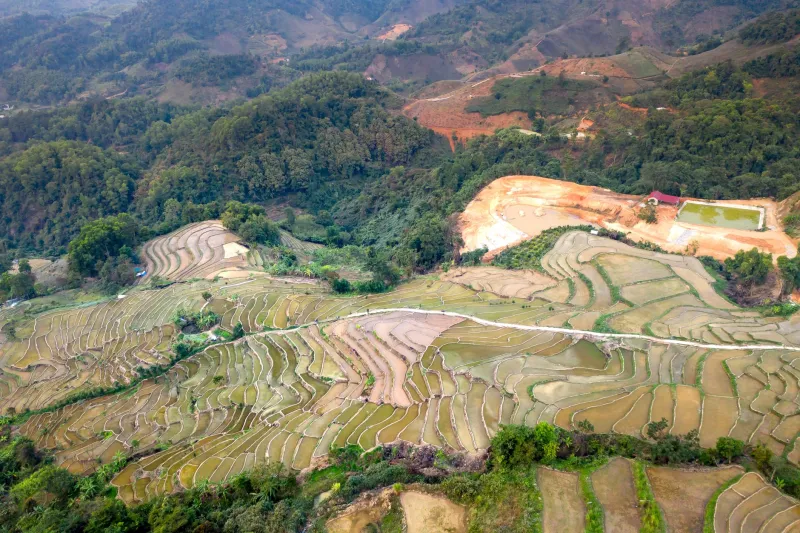
Most of us plan food trips the same way: we scroll through Instagram, screenshot a bowl of something gorgeous, and figure out where to find it when we land. That works. But there's a deeper layer of food travel that almost nobody talks about — one that starts not with a restaurant recommendation, but with a topographic map.
Geography is the original chef. Long before spice merchants, colonizers, or celebrity food TV shaped what a region eats, the land itself was already making the decisions. Elevation determined what could grow and what would die. Rainfall dictated whether a culture would center its cooking on grains, legumes, or animal fats. Soil chemistry quietly influenced whether a chili would blister with heat or mellow into sweetness. Once you understand these forces, you stop being surprised by what's on the menu — you start expecting it.
This is the kind of geographic literacy that turns a good food trip into an extraordinary one.
Why High Places Taste Different
Let's start with altitude, because it's the most dramatic variable in the flavor equation.
High-elevation environments are cold, dry, and brutal on plants. Crops that survive up there — quinoa in the Andes, teff in the Ethiopian highlands, barley across the Tibetan Plateau — have done so by developing dense, complex cellular structures packed with nutrients. That stress isn't just botanical trivia. It translates directly to flavor intensity.
Take Ethiopian coffee. The country is widely credited as coffee's birthplace, but not all Ethiopian coffee is the same. Beans grown in the Yirgacheffe region, which sits above 6,000 feet, are famous for their bright, wine-like acidity and floral aromatics. Drop those same plants down to equatorial lowlands with higher humidity and steadier temperatures, and the resulting cup is earthier, heavier, less complex. The plant doesn't work as hard. It doesn't have to.
For travelers, this means you can actually predict coffee quality — or the intensity of any highland crop — by glancing at an elevation map before you arrive. If you're heading into the Ethiopian highlands, the Peruvian Andes, or Colombia's coffee-growing Zona Cafetera, you're walking into a flavor environment shaped by altitude stress. Expect brightness, acidity, and complexity. That's not marketing copy. That's physics.
Monsoons Built the Spice Trade
Rainfall patterns are where food geography gets geopolitically interesting.
India's spice dominance wasn't a coincidence. The subcontinent's monsoon system — one of the most powerful and predictable weather patterns on Earth — created the precise conditions that black pepper, cardamom, turmeric, and ginger needed to thrive. The Western Ghats mountain range along India's southwestern coast catches monsoon moisture rolling in from the Arabian Sea, creating a narrow band of tropical forest with extraordinary biodiversity and humidity. Kerala, tucked into that corridor, became the spice capital of the ancient world not because of cultural preference, but because the geography made it nearly impossible for those plants to grow anywhere else at scale.
That same monsoon logic explains why the cuisine of coastal Kerala is so different from the cuisine of Rajasthan, just a few hundred miles north. Rajasthan gets almost none of that moisture. It's arid, sun-scorched, and historically difficult for fresh vegetables. So Rajasthani cooking evolved around preserved foods, dairy fats like ghee, and dried legumes — ingredients that could survive the climate. The geography didn't just influence the food. It is the food.
When you're planning a trip to the Indian subcontinent, think about the rainfall map before you think about the restaurant map. Wet regions will lean into fresh herbs, coconut, and fermented preparations. Dry regions will reward you with richer, spice-forward dishes built for preservation. You can read the menu before you land.
Soil Chemistry: The Variable Nobody Talks About
This one gets nerdy, but stick with it — it's worth it.
Soil isn't just dirt. It's a complex chemical environment that determines mineral uptake in plants, which directly affects flavor. Wine drinkers have known this for centuries. The concept of terroir — the idea that geography gives a wine its personality — is essentially soil chemistry dressed up in French. But the same principle applies to everything that grows.
The volcanic soils around Naples, Italy, enriched by centuries of Vesuvius activity, produce San Marzano tomatoes with a sweetness and low acidity that tomatoes grown in different soil literally cannot replicate. That's not Italian pride talking — it's potassium and mineral content doing work at the molecular level. Similarly, the chalky, calcium-rich soils of France's Champagne region aren't just good drainage. They stress the vines in a specific way that produces the high-acid, low-sugar grapes that make proper Champagne what it is.
For travelers, this means seeking out regional ingredients tied to specific, named growing areas. If a local tells you that the peppers from this particular valley are special, believe them. They probably are, and the soil is why.
How to Use This Before You Book
Here's where this becomes practical. Before your next food-focused trip, spend twenty minutes with a few geographic tools — Google Earth, a basic climate map, and a soil or agricultural zone map for your destination. Ask yourself:
- What's the elevation? Higher usually means more intense, complex flavors in crops that survive up there.
- What's the rainfall pattern? Wet regions lean fresh and fermented; dry regions lean preserved and fat-forward.
- What does the soil look like? Volcanic, chalky, or clay-heavy soils each produce distinct flavor profiles in the crops they support.
You don't need a geography degree. You just need to look at the land with a little curiosity before you arrive. A quick glance at the terrain of Oaxaca, Mexico — its high valleys, varied microclimates, and ancient agricultural soil — tells you immediately why it produces such wildly diverse corn varieties, chocolate, and mole traditions. The land is doing the explaining. You just have to read it.
The Map Is Already the Menu
There's something genuinely exciting about approaching food travel this way. It shifts you from being a passive consumer of experiences — following someone else's list — to being an active reader of the world. You start connecting dots that most travelers never see: why the highlands taste different from the coast, why the desert cuisine is richer than the rainforest cuisine, why the same ingredient grown two valleys apart can taste like two completely different things.
Atlas World has always been about going beyond the map. But sometimes the map itself, read the right way, is the most powerful travel tool you have. The geography of flavor is written into every landscape on Earth. All you have to do is learn how to read it — and then eat accordingly.