The Myth of the Untouched Place (And Why Chasing It May Be Missing the Point)
The Instagram Frontier and What It Actually Costs
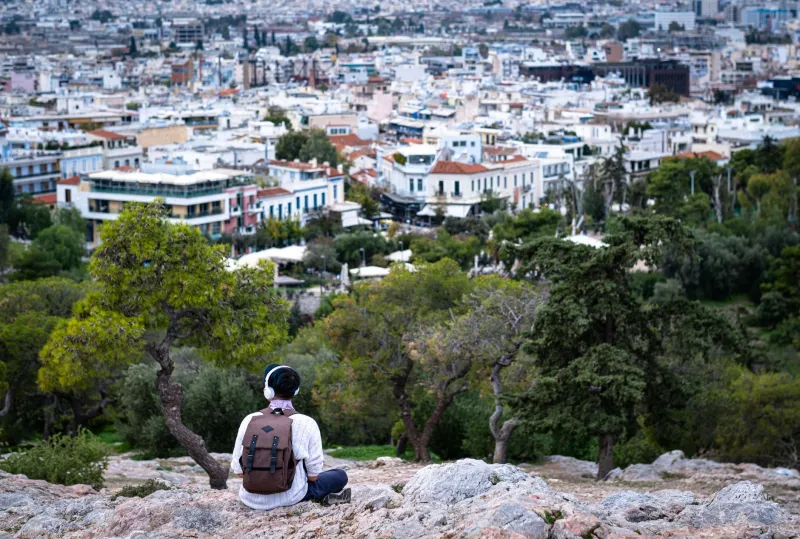
Somewhere out there, right now, a travel influencer is posting a photo of a place they're describing as "hidden" or "untouched" or "off the beaten path" — a place that, by the time you see the caption, has already been visited by the photographer, their assistant, the photographer's 400,000 followers, and approximately 12,000 people who screenshot the location tag.
This is the central absurdity of modern adventure travel's relationship with discovery: the moment a place gets labeled undiscovered, it isn't anymore.
But the problem runs deeper than irony. The cultural obsession with finding places that haven't been "ruined" by tourism is worth examining honestly, because the logic behind it — and the behavior it encourages — can cause exactly the kind of damage it claims to be avoiding.
What We're Actually Looking For
Let's start by being honest about the desire itself. When American travelers say they want to find somewhere "authentic" or "unspoiled," what they usually mean is: somewhere that doesn't feel like it's been flattened for tourist consumption. Somewhere the food is genuinely local, the people aren't performing hospitality for a tip, and the landscape hasn't been cordoned off behind an entrance fee and a gift shop.
That's a legitimate thing to want. The homogenization of travel — the global spread of the same hostels, the same Instagram backdrops, the same overpriced cocktail bars catering to the same demographic of English-speaking twenty-somethings — is real, and it's reasonable to push back against it.
But the conclusion that the solution is to find places that haven't been touched by tourism at all? That's where the logic starts to break down.
The Fragility Problem
The places most likely to qualify as genuinely undiscovered are also, almost by definition, the places least equipped to absorb an influx of visitors.
Think about what that actually means in practice. A remote coastal village in the Philippines with no established tourist infrastructure, no waste management system scaled for visitors, and no cultural framework for interacting with outsiders is not a blank canvas for authentic experience. It's a community that has built an equilibrium without tourism factored in. Introducing even a modest number of visitors — especially unguided, independent ones who leave no economic trail and take no direction from locals — can destabilize that equilibrium in ways that take years to repair.
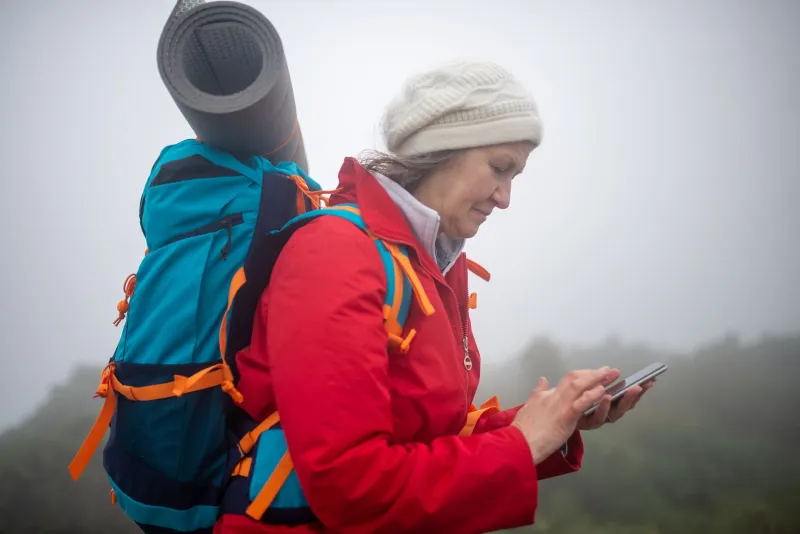
The environmental dimension is equally real. Fragile ecosystems — alpine meadows, coral reefs, old-growth forests — don't recover quickly from foot traffic, campfire scars, or the introduction of non-native bacteria carried on a hiker's boots. The places that haven't been "discovered" often haven't been discovered because they're genuinely vulnerable, not because nobody thought to look.
The Colonialist Undercurrent Worth Naming
There's something else going on in the undiscovered-destination fantasy that doesn't get talked about enough, and it's uncomfortable: the implicit assumption that a place only becomes interesting when a Western traveler arrives to notice it.
The framing of a destination as "undiscovered" erases the people who live there — who have, in fact, been discovering and inhabiting and building meaning in that place for generations. It positions the traveler as the protagonist of a story in which the local community is backdrop. That's not a neutral aesthetic preference. It's a worldview with a history, and adventure travel culture has been slow to reckon with it.
The most thoughtful travelers working in this space are increasingly pushing back on the language itself. "Undiscovered" by whom? For whom? The answer, almost always, is: by and for people who look like the person writing the travel blog.
The Case for Going Deeper Instead of Further
Here's the counterintuitive argument: some of the most genuinely authentic travel experiences available to Americans right now are sitting inside destinations that already have significant tourism infrastructure — they're just not in the parts that most visitors bother to explore.
Take Italy. Most American tourists to Italy see Rome, Florence, Venice, and maybe the Amalfi Coast. But the Basilicata region — rugged, ancient, barely touched by the tourist economy — sits a few hours south of Naples and offers a depth of cultural and landscape experience that rivals anything on the standard itinerary. It's not undiscovered. Italians know exactly where it is. It just doesn't show up on the American tourist circuit.
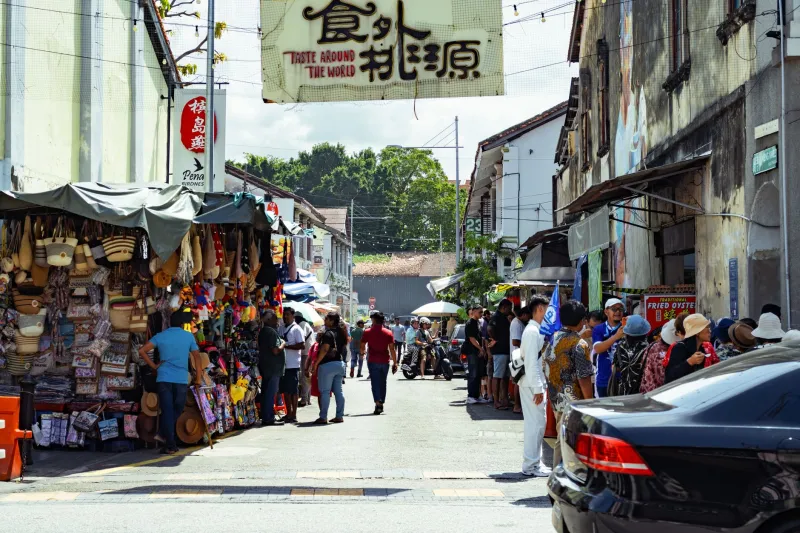
The same pattern repeats globally. There's a version of Japan that exists about forty minutes outside Kyoto, in towns that have functioning temples, extraordinary food, and genuine community life that hasn't been reconfigured for foreign visitors. There's a Mexico beyond the resort corridors and the capital that most American travelers never reach because it requires a bus instead of a flight and some functional Spanish.
This is a different kind of off-the-beaten-path — not a place that hasn't been touched, but a place that hasn't been marketed. The distinction matters enormously.
Rethinking the Adventure
The most meaningful travel experiences tend to share a few qualities: genuine human connection, some degree of discomfort or challenge, and a sense that you've encountered a place on its own terms rather than yours. None of those qualities require finding somewhere no one else has been.
In fact, some of the most powerful travel experiences happen in places that are deeply, obviously, unapologetically popular — because the traveler was curious enough, patient enough, or adventurous enough to go one layer deeper than the surface.
At Atlas World, we're interested in exploration as a practice rather than a destination type. The spirit of going beyond the map doesn't necessarily mean going beyond cell coverage or beyond the reach of existing infrastructure. Sometimes it means going beyond your comfort zone within a familiar landscape. Sometimes it means having a conversation you weren't prepared for, or sitting with an experience that doesn't resolve into a clean Instagram caption.
The world is enormous and endlessly complex, and the places that deserve your curiosity aren't all remote. Some of them are hiding in plain sight, waiting for someone who's actually paying attention.
Maybe that's you.